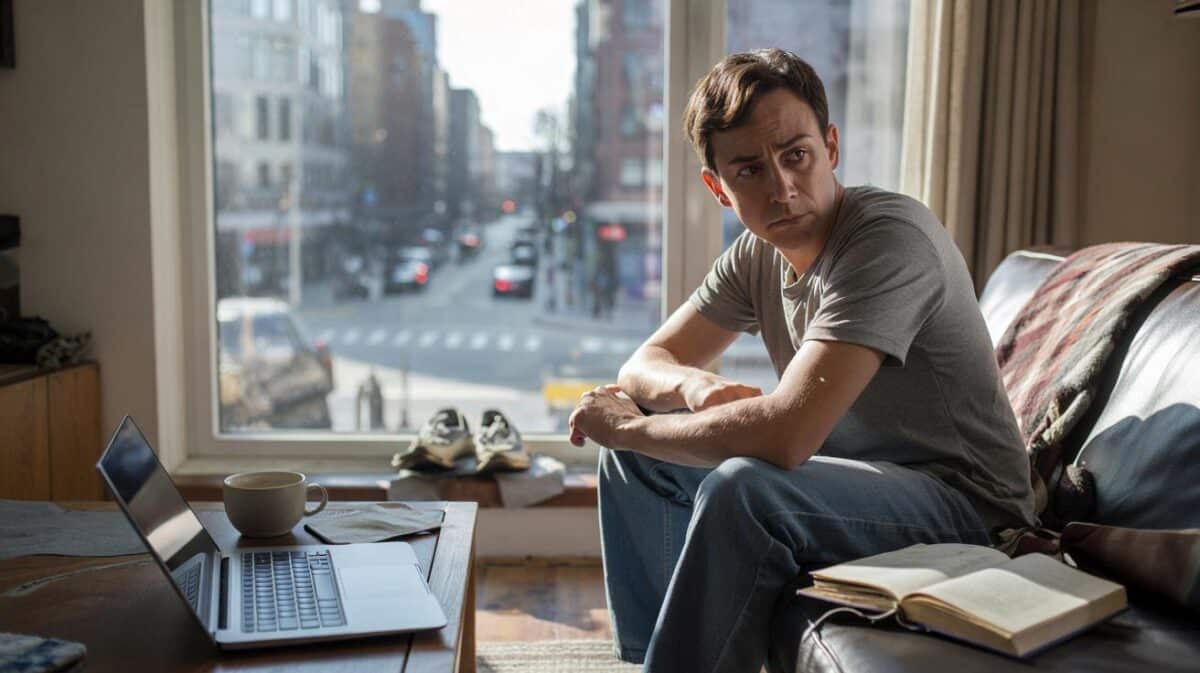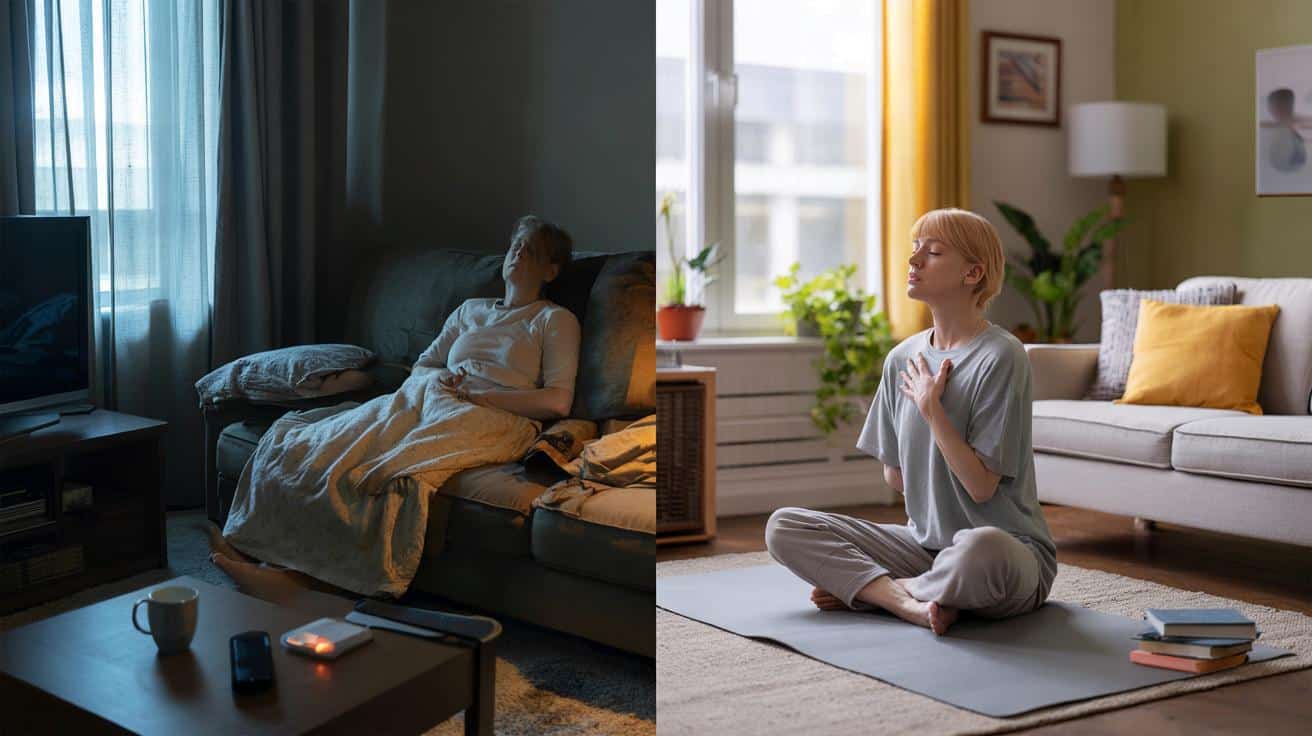
The first time a doctor told me to “rest,” I pictured myself lying on the sofa, scrolling my phone, binge-watching shows and saying no to everything.
No workouts. No late nights. No stress.
So I did exactly that.
Days blurred into weeks. My body wasn’t getting worse, but it wasn’t getting better either. My mind, on the other hand, felt like a heavy fog that no amount of sleep could clear.
I kept thinking, “I’m doing what they told me. Why am I still so tired?”
It took me a long time to realize I had completely misunderstood what rest really is.
And that misunderstanding was quietly slowing down my recovery.
When rest becomes another kind of exhaustion
At first, doing nothing felt like a luxury. I slept in, canceled plans, and let messages pile up.
I kept telling people, “I’m focusing on rest right now,” as if the more horizontal I was, the faster I’d heal.
The strange part was that my body didn’t match the fantasy. I woke up groggy, heavy, slightly ashamed. My head hurt from screens, my shoulders were tense from the couch, and small tasks felt like mountains.
I wasn’t living. I was just paused, indefinitely.
One afternoon, a friend came by with groceries and found me under a blanket at 3 p.m., lights off, Netflix asking if I was still there.
She asked gently, “So, how’s the rest going?” and I realized I had nothing positive to answer.
I had no wins to share, no sense of progress. Just a vague catalog of shows I barely remembered and a growing fear that I was wasting my life “healing” without actually healing.
Her visit lasted 20 minutes. The loneliness that followed lasted days.
That was the moment I started doubting my version of rest.
➡️ “I work in quality control and earn $4,750 a month with steady hours”
➡️ This subtle adjustment helps conversations flow
➡️ How creating financial buffers changes the way you spend
➡️ “I’m 65 and felt mentally tired without doing much”: the cognitive explanation
➡️ People who feel uneasy during calm weekends often experience this overlooked psychological pattern
➡️ Workers in this role often earn more by specializing narrowly
➡️ “I work in industrial cleaning, and the salary is much higher than people expect”
➡️ This creamy pasta recipe balances cheese and liquid without heaviness
Looking back, my mistake was simple: I had fused “rest” with “absence of activity.”
No movement, no stimulation, no obligations.
The problem is, our bodies and brains don’t work like a phone battery on airplane mode. They repair themselves through cycles, tiny doses of movement, safe connection, gentle stimulation, and real sleep, not just lying down.
Doing nothing wasn’t neutral for me.
It was its own kind of stress. A quiet, sticky stress where my nervous system never fully relaxed and never fully engaged. Just this gray in-between where recovery couldn’t really start.
Learning active rest instead of passive collapse
The shift began when a therapist asked me, “What actually leaves you feeling more alive after you’ve done it?”
I stared at her, because my days were mostly filled with what left me feeling numb, not alive.
She suggested an experiment: instead of labeling everything as “effort” or “rest,” I’d track what genuinely replenished me and what quietly drained me.
A ten-minute walk? Surprisingly replenishing. Doomscrolling at midnight? Clearly draining.
That’s when I met the idea of active rest: small, gentle actions that support your body’s repair systems, instead of just numbing your brain.
I started with tiny, almost laughable changes.
Standing outside for five minutes first thing in the morning, even in bad weather. Letting my eyes rest on something far away instead of a screen.
Later, I added one slow stretch sequence before bed. Not yoga with candles and soft playlists. Just me on the carpet, rolling my shoulders, breathing into my back, noticing where it hurt.
Some days, I managed three stretches. Some days, just one.
Still, those small acts left me feeling more restored than three episodes of any series ever did.
The logic behind it is surprisingly simple. Real rest is less about the absence of doing and more about shifting your nervous system out of fight-or-flight and into repair mode.
That shift needs cues: soft movement, predictable routines, natural light, moments of safety with other humans, and sleep that actually cycles.
When rest is only “I will lie down and escape,” the body doesn’t always get those cues.
So we stay wired while feeling frozen. Tired all the time, yet oddly restless.
*Once I framed rest as nourishment instead of escape, my recovery finally started to look like progress instead of a loading screen stuck at 32%.*
What real rest looked like in my actual, messy life
The first practical change I made was creating “micro-rests” instead of marathon collapses.
Five minutes after a call with my boss: I’d close my eyes, put a hand on my chest, and take ten slow breaths.
At lunch, I’d eat without my phone, just watching the steam from my plate, feeling the chair under me, letting my shoulders drop.
Before bed, I traded one more episode for a warm shower and five minutes of stretching.
None of this looked impressive. No one applauded. But my sleep slowly deepened, my headaches eased, and my mood stopped swinging so violently.
If you’re in recovery from burnout, illness, injury, or just life being too much, it’s so easy to swing to extremes.
Full speed or full stop.
We’ve all been there, that moment when you tell yourself you’ll do “absolutely nothing” this weekend and then feel strangely worse on Monday.
The trap is thinking that rest must be pure stillness, when your body actually craves gentle rhythm.
Let’s be honest: nobody really does this every single day.
There are rushed mornings, missed stretches, evenings where the couch wins.
The point isn’t perfection, it’s noticing what genuinely restores you and giving that a bit more space than the numbing habits.
One sentence changed the way I approached my recovery.
My doctor said, almost casually:
“Rest is not what you stop doing. Rest is what you feed yourself with so your system can repair.”
So I built myself a simple, no-aesthetic-needed toolbox of real rest:
- Slow walks with no step goal, just fresh air and gentle movement
- Screen-free meals, even if they were just toast at the counter
- Light stretches while the kettle boiled, not a full workout
- Ten-minute “offline” windows during the day to breathe or stare out the window
- One small, non-productive joy each day: music, drawing badly, phoning a friend
None of these are glamorous.
But together, they did what pure doing-nothing never did for me: they gave my body enough safety and rhythm to actually heal.
Rethinking rest before your body forces you to
When I look back at the version of myself equating rest with the couch and endless scrolling, I don’t feel judgment anymore. I feel tenderness.
I was just tired and doing the closest thing to disappearing that my schedule allowed.
Now, rest feels less like opting out of life and more like choosing a different way to be in it. I still cancel plans when I need to. I still have evenings where I melt into the sofa and that’s okay.
The difference is that I also ask myself, “What tiny thing today will actually refill me, not just distract me?”
Recovery, whether from burnout, a health scare, or a long season of stress, rarely arrives as a dramatic before-and-after moment.
It sneaks in through small, slightly boring choices that give your body and mind a chance to recalibrate.
Gentle movement instead of total collapse. Real sleep instead of just being horizontal. A conversation that makes you laugh instead of another hour muting the world.
You don’t need a perfect routine. You don’t need special equipment. You don’t need to earn it.
You just need to slowly redefine rest as something you actively cultivate, not a void you fall into when you can’t go on any longer.
If the word “rest” currently makes you think of laziness, guilt, or beige productivity quotes, maybe it’s time to rewrite your definition.
Not into something grand, just into something honest.
Ask yourself quietly: When do I feel even 5% more human afterwards?
That’s your clue.
Follow that feeling, gently, and let the old idea of rest-as-nothing fade into the background, where it belongs.
| Key point | Detail | Value for the reader |
|---|---|---|
| Rest isn’t doing nothing | Passive collapse often keeps the nervous system stuck in a stressed, numb state | Helps explain why “lying around all weekend” can leave you even more exhausted |
| Active rest supports repair | Gentle movement, light, connection, and simple routines signal the body to heal | Gives practical levers to feel better without needing a perfect wellness routine |
| Small changes matter | Micro-rests, screen-free moments, and tiny joys can compound over time | Makes recovery feel achievable in real, messy daily life |
FAQ:
- How do I know if my “rest” is actually helping my recovery?You usually feel a little clearer, softer, or more grounded afterward, not more numb or wired. If your rest leaves you exhausted, tense, or guilty, it may be more escape than repair.
- Is watching series or scrolling always “bad rest”?Not necessarily. A favorite show in moderation can be comforting. It becomes unhelpful when it’s your only form of rest and consistently leaves you foggy, overstimulated, or sleep-deprived.
- What if I’m too tired for active rest like walking or stretching?Active rest can be tiny: three deep breaths, opening a window, stepping onto the balcony, lying down with your phone in another room for five minutes. Start absurdly small and build from there.
- How long does it take to feel a difference from these changes?Some people notice better sleep or a slightly calmer mood within a few days. Deeper shifts, especially with burnout, can take weeks or months. Consistency beats intensity.
- Can I still recover if my life is very busy and stressful?Yes, though it’s harder. Even in a packed schedule, micro-rests and small boundaries around sleep, screens, and movement can slowly change how your body copes with stress and support gradual recovery.